I Think I Have a Cavity, Can I Get Treatment in Rock Hill, SC?
If you’re suffering from cavities (a form of tooth decay), you’re not alone. Tooth decay is the most prevalent chronic disease among both adults and children, according to the National Institute of Dental and Craniofacial Research.
While many people consider cavities to be a minor dental issue, they can lead to more serious oral health complications and more invasive and costly procedures when left untreated.
To avoid this, it’s important to seek immediate dental treatment once you suspect you have a cavity. Finding a dentist in Rock Hill can help you avoid a long commute and allow you to get the treatment you need as quickly as possible.
Learn more about cavities, how to spot them, and how to move forward with the right treatment in your local area.
How Cavities Affect Teeth and Oral Health
A cavity is a small hole or opening in the surface of your tooth, caused by bacteria buildup that turns into acid and erodes your enamel (the outer protective barrier of the tooth). When a cavity gets deep enough, bacteria can make its way inside the tooth, putting it at risk of infection. Untreated cavities can also lead to other advanced dental issues such as the spread of tooth decay to other teeth, gum disease, and potential tooth loss.
The best defense against more complex oral health issues is to see a dentist right away so they can treat your cavity early and put a stop to the decay.
How Do I Know I Have a Cavity?
Tooth pain isn’t the only symptom of a cavity. In fact, for many people, a toothache or tooth sensitivity doesn’t occur until the cavity is more progressed.
That’s why it’s important to understand the many different warning signs of cavity, such as:
- Tooth discoloration, such as black, brown, or white spots or stains on the tooth
- Holes or deep grooves in the surface of your tooth
- Bad breath or a bad taste in your mouth (usually a metallic taste)
- A dull ache in your tooth, which may come and go
- Tooth sensitivity, such as a sharp pain when you eat or drink something hot, cold, or sugary
- Uneven chewing, caused by a subconscious effort to avoid pain from the cavity
It’s easy to explain away symptoms. Don’t take that chance! As soon as you notice something is not right with your teeth, it’s best to look up a dentist in Rock Hill who can assess the situation and provide any necessary treatment.
How Are Cavities Treated?
The type of treatment you need will depend on the severity of your cavity. Here are some common treatments for cavities:
- Fluoride treatments to strengthen tooth enamel (for early-stage cavities)
- Dental fillings, which involves the dentist filling the missing part of your tooth with a tooth-colored or silver-colored restorative material (used for small to medium-sized cavities)
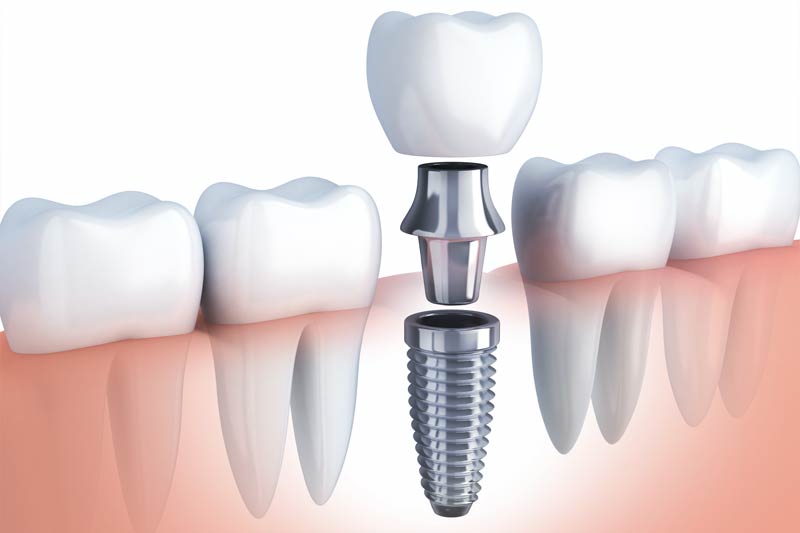
- Dental crowns, in which the dentist removes the area of the tooth with decay and places an artificial protective cap over the tooth (for larger cavities)
While they are less common, a dentist may need to use more extensive procedures such as root canals or tooth extractions to treat patients whose teeth have become infected from a cavity.
Cavity Treatment from a Dentist in Rock Hill
If you live or work in Rock Hill, you could greatly benefit from a dentist right in your local area. A Rock Hill dentist will only be a short drive away, making it easier to fit appointments into your busy schedule—which means you’re getting care right when you need it.
The right Rock Hill dentist should be able to provide you with:
- Flexible scheduling options
- A knowledgeable and friendly dental care team
- A comfortable, local dental office
- A variety of cavity treatment options
- Care that is customized to your needs
Don’t Delay—Reach out for an Appointment Today
It’s never worth risking your oral health. If you suspect you may have a cavity, call our dental office and schedule an appointment. We have a dentist in Rock Hill who can help you take the right next steps to protect your smile.